

Desecration of the Divine: Ritual Violations and the Bulldozer Incident at Pullattukari Bhagavati Temple

From Our Correspondent
Thiruvananthapuram: For generations, the Pullattukari Sree Bhagavati Temple near Kazhakoottam has been a place of deep devotion where the Mother Goddess has been worshipped according to traditional Kerala tantric practices. The Pullattukari family trustees have maintained the temple with care, ensuring that rituals were performed in accordance with the Agama tradition to preserve and enhance the divine presence. Devotees have long held strong faith in the sanctity of this temple.
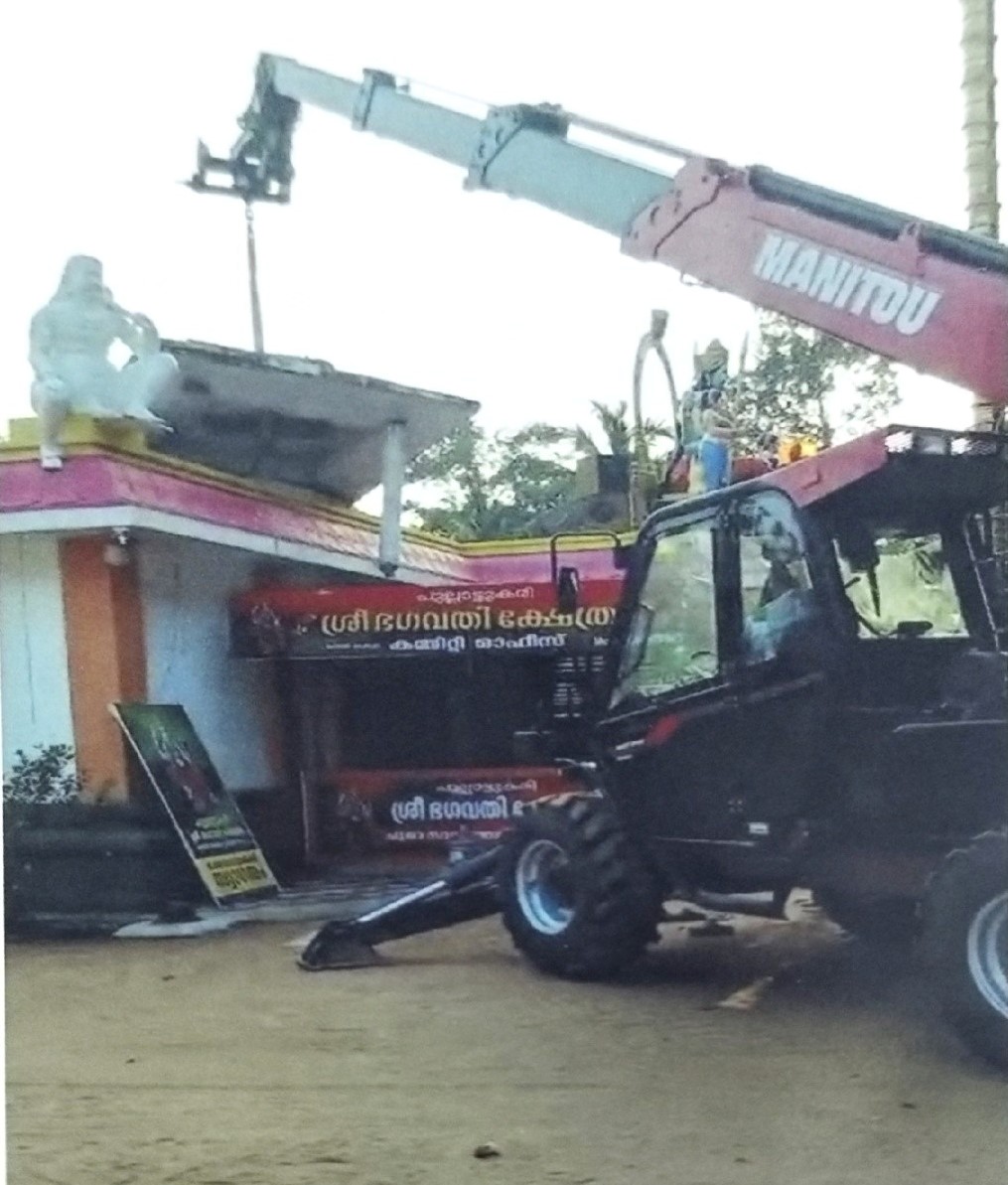
According to the complaint filed by the Pullattukari family trustees with the Kazhakkuttom Police Station, a group that has taken control of the temple’s management has allegedly violated several established rituals and practices. The complaint states that a sacred mandapam, considered an integral part of the temple structure, was demolished using a bulldozer without performing the necessary preliminary rituals. This action, the complaint alleges, was carried out without the knowledge or consent of the original trustees.
In the Agama and tantric tradition followed in Kerala temples, as described in the Tantrasamuccaya of Chennas Narayanan Nambudiripad, a consecrated temple is regarded as Prasada Purusha — the manifested form of the deity. The text indicates that any structural alteration or removal of consecrated parts should be preceded by appropriate ritual procedures, including the respectful handling of the divine energy present in the structure.
According to traditional belief, when a consecrated structure such as a mandapam is demolished without performing Jeevodvasana, it can lead to serious spiritual consequences. Before any demolition tool touches a consecrated wall or structure, the chief priest (Tantri) is traditionally required to perform rituals to formally request the deity’s pardon and systematically extract the Chaitanya from the stones into a temporary copper vessel (Kalasha). Breaking the mandapam without this step is believed to trap and shatter the localized divine energy, thereby angering the divine forces.
Traditional practitioners hold that an unritualistic bulldozer action affects the consecrated deity in three major ways:
- Depletion of Power (Veerya Hani): The collective spiritual energy of the temple is believed to lose its charge instantly. Devotees may find that the temple feels “empty” or heavy rather than peaceful and grace-filled.
- Defilement (Shuddhi Mukhi): The presence of heavy steel blades tearing into sacred stone is considered to create structural spiritual impurity (Asaucam), which can halt or weaken the flow of blessings from the Sreekovil.
- Disruption of Worship: Because a limb of the Prasada Purusha is believed to have been severed, regular puja sequences may become less effective or spiritually incomplete until extensive purification rituals are undertaken.
Furthermore, according to traditional understanding in the Agama tradition, when a Devi temple is physically violated without proper rituals, the calm and benevolent energy (Shanta Bhavam) of the Mother Goddess is believed to turn into a fierce, protective, or sorrowful state known as Ugra Bhavam. While this does not harm the timeless cosmic form of the Devi, it is thought to damage the localized protective aura that shields the surrounding village and its people.
Traditional texts also state that a Deva Dosha generated by the unritualistic destruction of a holy site can bring Asanthi (restlessness), sudden accidents, failures in local affairs, and misfortune both to those directly responsible and to the community that failed to protect the sanctity of the temple.
The complaint further states that no parihara kriya (remedial rituals) have been performed after the demolition of the mandapam. In the Agama tradition, when any part of the Prasada is damaged or removed without proper preliminary rituals, specific remedial measures are considered essential to restore spiritual balance. These measures typically include the following:
- Ashtamangala Prasnam: A traditional method of divine consultation used to understand the extent of the spiritual disturbance caused by the violation and to identify the appropriate remedies required to pacify the deity.
- Prasada Shuddhi and elaborate remedial homas: These rituals are performed to cleanse the negative vibrations and Tamasic influences left behind by the unritualistic demolition, and to pacify the angered or distressed energy of the deity.
- Kalasabhishekam and other rites: These ceremonies are conducted to restore and stabilise the divine energy (Chaitanya) in the temple and to re-establish the sacred atmosphere that was disturbed.
- Proper re-invocation and reinstallation rituals: Once the physical aspects of the structure are addressed, traditional re-invocation and reinstallation rituals are required to re-establish the divine presence in the affected part of the temple in accordance with Agama prescriptions.
The absence of these parihara kriya, according to traditional belief, may prolong the state of divine displeasure and continue to affect the spiritual environment of the temple and the well-being of the devotees.
The complaint also raises concerns about the introduction of certain unorthodox practices within the temple. It alleges that rituals not in accordance with the temple’s traditional Agama practices were permitted. According to the Agama tradition, only those rituals that maintain ritual purity and support the spiritual purpose of the temple are considered appropriate.
The original Pullattukari family trustees have expressed deep concern that these alleged actions have caused distress among devotees and have affected the spiritual atmosphere of the temple. They have stated that the absence of proper rituals before the demolition and the lack of remedial measures afterwards have left the deity’s presence disturbed, according to traditional belief.
Multiple complaints have reportedly been submitted to the Kazhakkuttom Police Station regarding these matters. The trustees have requested that appropriate legal action be taken based on the allegations made in the complaint. They have also called for the performance of necessary traditional rituals, including an Ashtamangala Prasnam and the complete set of remedial ceremonies as prescribed in the Agama tradition, to address the spiritual concerns arising from the incident.
The Tantrasamuccaya and other Agama texts emphasise the importance of following prescribed procedures when dealing with consecrated temple structures. Any deviation from these procedures is traditionally believed to affect the spiritual integrity of the temple and may have wider repercussions on the faith and well-being of the devotees.
The original trustees have reiterated that their primary concern is the preservation of the temple’s sanctity and the proper conduct of rituals in accordance with the Agama shastras. They have expressed hope that the authorities will take the necessary steps to address the issues raised in their complaint and that traditional remedial measures will be permitted to restore spiritual balance.
Devotees continue to visit the temple with faith, even as concerns regarding ritual practices and temple management remain unresolved. The situation highlights the importance of protecting both the physical structures and the ritual traditions of ancient temples in accordance with established Agama principles.
