


By Geetha V P
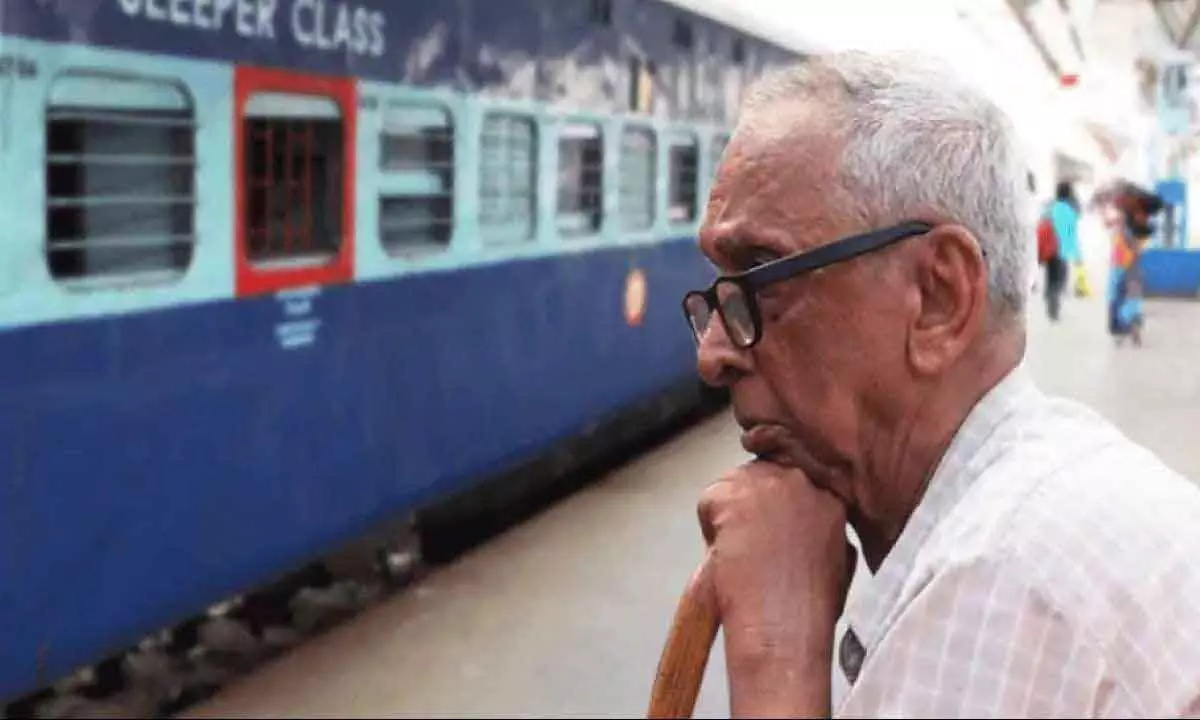
In the gigantic span of India’s railway network, which serves as the lifeline for millions, a glaring injustice persists. The senior citizen rail concession, a longstanding benefit that provided much-needed relief to the elderly, was suspended in March 2020 amid the COVID-19 pandemic. While the world has moved on from lockdowns and restrictions, the Modi government has yet to reinstate this vital perk. This oversight not only burdens India’s aging population but also raises questions about the administration’s priorities. As we approach the end of 2025, it’s time to critically examine why this concession must be restored as a goodwill gesture, affirming the government’s commitment to the welfare of those who built the nation.
The senior citizen concession was no luxury; it was a practical necessity. Before its suspension, men aged 60 and above received a 40% rebate on train fares, while women aged 58 and above enjoyed 50%. This translated to significant savings for retirees living on fixed pensions, many of whom rely on trains for essential travel—visiting family, attending medical appointments, or pilgrimages. India’s senior population, projected to reach 194 million by 2031, faces rising healthcare costs, inflation, and social isolation. Affordable rail travel promotes mobility, which is crucial for physical and mental health. Studies show that accessible transportation reduces loneliness among the elderly and encourages active lifestyles. Denying this concession forces seniors to either curtail travel or dip into meager savings, exacerbating financial strain in a country where over 70% of seniors lack comprehensive social security.
Critics argue that the government’s apathy stems from fiscal prudence, but the numbers tell a different story. According to RTI revelations, Indian Railways earned an additional ₹8,913 crore between March 2020 and February 2025 by withholding these concessions. This windfall came from 31.35 crore senior travelers who paid full fares, including ₹11,531 crore from men and ₹8,599 crore from women. While this might seem substantial, it pales in comparison to the railways’ overall budget and the government’s extravagant expenditures. The Union Budget 2025-26 allocated ₹2.65 lakh crore to railways, funding ambitious projects like Vande Bharat trains, bullet train corridors, and station redevelopments—initiatives that often prioritize prestige over people. For instance, the Ahmedabad-Mumbai bullet train project alone is estimated at ₹1.1 lakh crore, with costs ballooning due to delays. Meanwhile, the pre-COVID concession cost the railways around ₹1,600-2,000 crore annually—a mere 0.6-0.8% of the total passenger subsidy, which stood at ₹59,837 crore in 2019-20. Restoring it would be a drop in the ocean, especially when the government continues to subsidize passenger fares by an average of 45%, amounting to ₹60,466 crore in 2023-24.
This selective frugality is particularly galling when juxtaposed with the plethora of other rail concessions that remain intact. Indian Railways offers discounts to over 50 categories, including 50-75% for persons with disabilities, free travel for freedom fighters, and concessions for students, journalists, and even film technicians. Patients with serious ailments like cancer receive up to 100% off, while sports persons and artists benefit from tailored rebates. These concessions, while commendable, collectively cost billions—far more than the senior discount ever did. Why, then, single out the elderly? The government’s rationale during COVID was to discourage non-essential travel and protect vulnerable groups. But with the pandemic long over, and trains packed to capacity, this excuse no longer holds. Railway Minister Ashwini Vaishnaw has repeatedly defended the status quo by pointing to the blanket subsidy on all tickets, claiming it provides an effective 46% concession. Yet, this ignores the targeted needs of seniors, who often travel in lower classes like sleeper or 3AC, where a specific discount would make a tangible difference. The Parliament’s Standing Committee on Railways has urged a review, recommending concessions at least in these classes, but action remains elusive.
The Modi government’s track record on senior welfare is mixed. Initiatives like the Pradhan Mantri Vaya Vandana Yojana and enhanced pension schemes show intent, but the rail concession lapse undermines these efforts. As an elected administration, it has a constitutional duty under Article 41 to promote the welfare of the aged. Ignoring this erodes trust, especially among a demographic that votes in high numbers. Restoring the concession wouldn’t just be pragmatic; it would be a symbolic goodwill gesture, signaling empathy in an era of rapid modernization. Imagine the positive optics: seniors boarding trains with ease, sharing stories of a government that remembers its elders. It could even boost rail revenue indirectly by encouraging more travel, as families accompany aging relatives.
In fact, the continued suspension of senior citizen rail concessions is an unnecessary injustice, rooted in misplaced priorities rather than genuine fiscal constraints. Compared to the billions poured into infrastructure extravaganzas, the cost is negligible, yet the benefits—financial relief, enhanced mobility, and social equity—are immense. The Modi government must act swiftly to reinstate this benefit, perhaps with modern tweaks like digital verification or class-specific caps, to align with its “Sabka Saath, Sabka Vikas” ethos. Seniors aren’t asking for handouts; they’re seeking dignity in their twilight years. Restoring the concession isn’t charity—it’s justice overdue.
