


By Suresh Unnithan
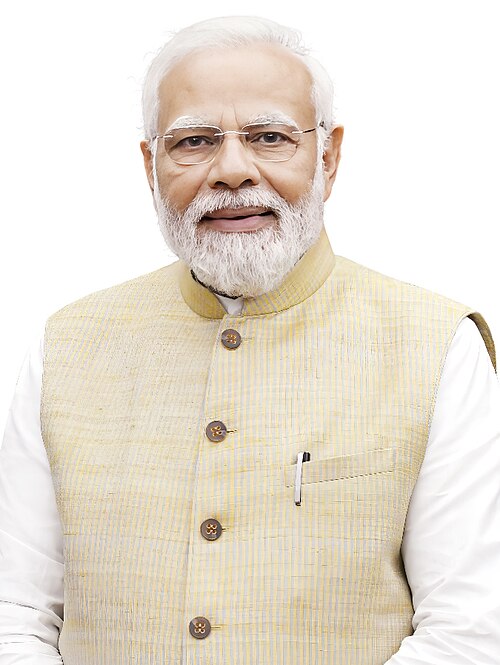
As Prime Minister Narendra Modi completes more than 11 years since his 2014 victory—his legacy is a complex tapestry of ambitious reforms blemished by significant slip-ups. While initiatives like Pradhan Mantri Kisan Samman Nidhi (PM-KISAN), Jan Dhan Yojana (PMJDY), Mudra Yojana, Ayushman Bharat, and Garib Kalyan Anna Yojana (PMGKY) have showcased scale and intent, their impact is overshadowed by implementation flaws, fiscal wildness, and controversial policies like sudden demonetization, rushed GST implementation, and the abrupt COVID-19 lockdown. Modi’s tenure is further criticized for “jumlas” (empty promises), such as the scientifically dubious Balakot airstrike cloud cover remark or extracting gas from drains, alongside perceptions of authoritarianism fueled by sycophantic “godi media.” With India’s economy at ₹330 lakh crore ($4.19 trillion), this analysis evaluates key schemes, the economic fallout of major policy disruptions, escalating debt, persistent banking NPAs, and a polarizing leadership style that has left a mixed legacy leaning heavily toward negatives.
We need to accept, Modi’s “Sabka Saath, Sabka Vikas” vision has driven welfare spending exceeding ₹50 lakh crore since 2014, leveraging Direct Benefit Transfer (DBT) for 99% leakage-free delivery. However, underfunding, bureaucratic hurdles, and inflation eroding benefits by 10-15% have limited real gains for the bottom 40%.
Pradhan Mantri Kisan Samman Nidhi (PM-KISAN)
Launched in 2019, PM-KISAN provides ₹6,000 annually to 9.7 crore farmers, disbursing ₹3.90 lakh crore by August 2025, with ₹20,500 crore in the latest tranche. It has marginally boosted farm investments by 5-7%.
Yet, exclusions of 2-3 crore tenant farmers and landless workers, as noted in a 2024 NITI Aayog report, restrict its impact. The static ₹6,000 fails to counter doubling fertilizer costs (₹1,200 per bag), with over 10,000 annual farmer suicides reflecting unresolved agrarian crises exacerbated by demonetization’s cash crunch, which crippled rural economies in 2016-17.
Pradhan Mantri Jan Dhan Yojana (PMJDY): Banking Access with Limited Impact
PMJDY has opened 56 crore accounts, holding ₹2.68 lakh crore by August 2025, doubling from 2021, and enabling ₹10 lakh crore in DBTs. It has helped lift 27 crore from poverty, with 55% accounts held by women.
However, 40% dormant accounts (balances below ₹100) and 5 lakh fraud cases in 2024 (costing ₹1,000 crore) highlight shallow engagement. Demonetization’s sudden note ban in 2016 overwhelmed banks, disrupting access and trust, while only 15% of account holders secure loans above ₹50,000.
Mudra Yojana and MSME Loans
Mudra has sanctioned 51.67 crore loans worth ₹33 lakh crore by February 2025, with MSME lending rising from ₹8.51 lakh crore in 2014 to ₹30 lakh crore. It has created 1.5 crore jobs, with 70% loans to women.
High NPAs at 9.81% (₹3.12 lakh crore) and recovery rates below 50% signal risks, worsened by demonetization’s economic shock and GST’s compliance burdens, which hit small businesses hard, with many defaulting due to cash flow disruptions.
Ayushman Bharat
Ayushman Bharat insures 12 crore families with ₹5 lakh coverage, approving 40 crore treatments worth ₹1 lakh crore since 2018. The FY26 budget of ₹9,406 crore has cut out-of-pocket costs by 20%.
Yet, only 40% of eligibles are enrolled due to awareness gaps and limited hospital tie-ups (28,000 of 70,000). Fraudulent claims (₹500 crore in 2024) and India’s 1.3% GDP health spend (versus WHO’s 5%) persist, with the 2020 lockdown exacerbating access issues, leaving millions without care.
Pradhan Mantri Garib Kalyan Anna Yojana (PMGKY
PMGKY provides 5 kg free grains and 1 kg pulses monthly to 80 crore people, with ₹12 lakh crore spent since 2020 and ₹2.03 lakh crore for FY26. It saves households ₹4,000 yearly.
However, grain quality issues, migrant exclusions during the 2020 lockdown, and inflation halving aid value limit impact. Procurement costs (₹2.5 lakh crore yearly) strain budgets, while child malnutrition remains at 35%.
Agriculture: Investments Outweighed by Systemic Issues
Agriculture has received over ₹15 lakh crore since 2014, with FY26 funding at ₹1.38 lakh crore. Schemes like PM Fasal Bima Yojana (₹1.5 lakh crore claims) and e-NAM (1,000 mandis digitized) have boosted exports to ₹50 lakh crore.
Low yields (India ranks 100th globally), ₹18 lakh crore farmer debt, and 60% input cost surges persist. Demonetization disrupted cash-based markets, GST complicated trade, and the 2020 lockdown halted supply chains, intensifying farmer distress and fueling protests against the 2020 farm laws, later repealed.
Economic Disruptions: Demonetization, GST, and Lockdown Fallout
• Demonetization (2016): The abrupt withdrawal of 86% of India’s currency crippled small businesses, agriculture, and informal sectors, reducing GDP growth by 1-2% (RBI estimates). Job losses exceeded 1 crore, and rural distress surged due to cash shortages.
• GST Implementation (2017): The rushed rollout caused compliance chaos for MSMEs, with multiple tax slabs and frequent changes disrupting supply chains. Revenue shortfalls (₹1 lakh crore annually) strained state finances.
• COVID-19 Lockdown (2020): The sudden, stringent lockdown led to migrant worker crises, with millions stranded, and GDP contracted by 23.9% in Q1 FY21. Lack of social safety nets amplified hunger and unemployment.
Fiscal Challenges: Soaring Debt and NPAs
Public debt has tripled to ₹185-200 lakh crore by March 2025 (57% of GDP), with internal debt at ₹225 lakh crore and external at ₹63 lakh crore. Interest payments (₹11 lakh crore in FY26) consume 40% of revenues. Bank NPAs, peaking at 11.5% (₹10.36 lakh crore) in 2018, fell to 2.58% (₹2.83 lakh crore) in 2025, but Mudra’s high NPAs and ₹16.35 lakh crore write-offs hinder credit growth, worsened by demonetization and GST disruptions.
Rhetorical Excesses and Media Dynamics
Modi’s “jumlas”—like the Balakot cloud cover claim or gas-from-drains idea—have drawn ridicule for their lack of scientific grounding, undermining credibility. Promises like ₹15 lakh per citizen or doubling farmers’ incomes by 2022 remain unfulfilled. Sycophantic “godi media” and a personality cult—evident in stadium renamings and biopics—have eroded press freedom, with critics like Ravish Kumar highlighting a decline in democratic discourse.
However, Modi’s tenure has delivered considerably in welfare and digital infrastructure, but the negatives—exclusion errors, fiscal burdens, policy disruptions like demonetization, GST, and the COVID lockdown, and rhetorical excesses—cast a long shadow. The godi media phenomenon further polarizes, undermining accountability. As India eyes a $5 trillion economy, addressing these challenges is critical to balance a legacy tilting toward imbalance.
