


By Suresh Unnithan
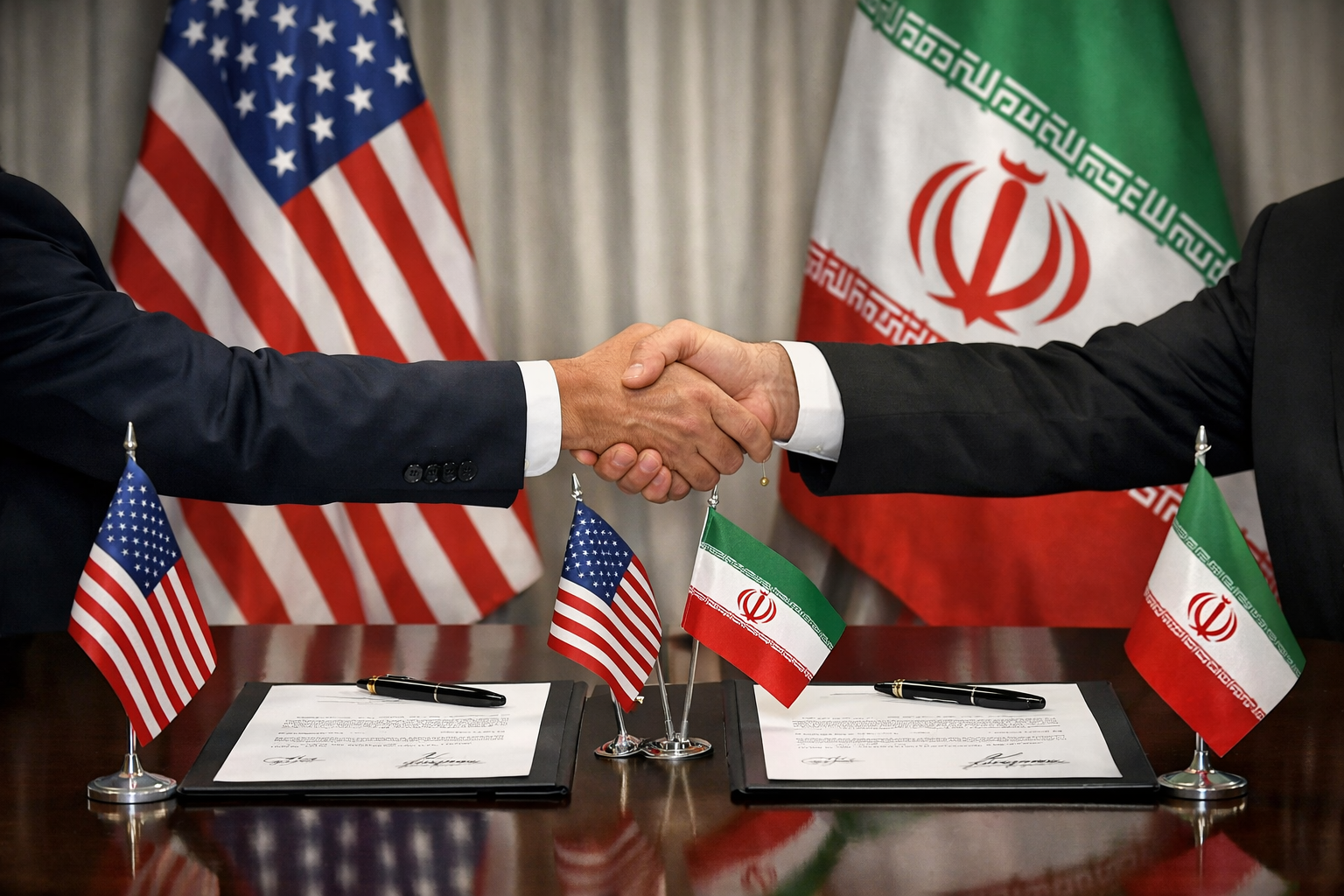
The finalized US-Iran peace agreement, set for official signing in Switzerland on June 19, 2026, marks the end of a 107-day conflict that severely disrupted global energy flows. For India, the world’s third-largest oil importer, this breakthrough—particularly the reopening of the Strait of Hormuz—represents a profound macroeconomic relief. The strait, through which about one-fifth of global oil and significant LNG passes, had been contested, forcing India to scramble for alternatives, pay premiums, and endure soaring energy costs.
India imports roughly 85% of its crude oil needs, consuming around 5-5.5 million barrels per day (bpd). Pre-conflict, the Middle East supplied about 50-55% of these imports, with a substantial portion transiting the Strait of Hormuz. Disruptions led to a sharp drop in volumes from key suppliers like Iraq and Gulf nations, pushing India toward costlier Latin American, African, and Russian sources. In April 2026, crude imports fell about 4-15% year-on-year in volume, yet the import bill surged dramatically—reaching around $16.3 billion in one month alone due to prices spiking near or above $100/bbl.
Analysts estimated that sustained high prices could shave 0.5-1 percentage point off India’s GDP growth, pushing forecasts for FY27 from around 7% toward 6-6.6%. Wholesale price inflation hit 9.68% in May, driven by a 61% jump in crude petroleum prices, while risks to retail inflation and fuel subsidies mounted. The rupee weakened sharply, hitting record lows near 96-97 per USD amid capital outflows and a widening current account deficit (potentially to 2%+ of GDP under stress scenarios).
The peace deal promises swift reversal. Reopening the strait restores efficient shipping routes, lowers insurance and freight premiums, and eases supply tightness. Oil prices have already eased significantly on optimism—dropping over 4% in sessions following announcements—potentially stabilizing Brent around $70-85/bbl in the near term. This directly cuts India’s import bill. A $10-15/bbl decline could save billions annually, freeing fiscal space for infrastructure and welfare spending while curbing inflationary pass-through to petrol, diesel, and LPG prices (critical for households and transport).
Currency and External Sector Relief: A stronger rupee is likely as dollar demand from importers eases and FII sentiment improves. The currency had rallied on early hopes, and sustained lower oil prices could anchor it below recent highs, bolstering forex reserves and reducing RBI intervention needs. This also aids debt servicing and import-dependent sectors.
Revival of West Asia Trade and Remittances: The Gulf region is vital for India’s exports (engineering goods, gems, textiles, pharmaceuticals) and a major market worth tens of billions annually. Conflict-driven disruptions slashed exports to West Asia by 28-58% in recent months, hitting UAE, Saudi Arabia, and others. Normalization revives these flows, supporting manufacturing and jobs.
Remittances, another pillar, faced risks. The 9+ million Indian expatriates in the GCC send home around $50 billion yearly (nearly 38% of India’s total remittances of $135+ billion). Uncertainty had threatened repatriation and income flows; peace stabilizes host economies and restores confidence.
Broader Multiplier Effects: Lower energy costs ease input prices for fertilizers, power, and logistics, benefiting agriculture, industry, and consumers. Reduced fiscal strain from subsidies supports capex. Stock markets and corporate margins could rebound, with refiners gaining from normalized operations. Long-term, it enhances energy security, allowing diversified imports while resuming cost-effective Middle East sourcing.
Challenges remain: full normalization may take weeks as tankers resume and inventories rebuild; lingering nuclear talks or regional tensions could introduce volatility. India’s pivot to alternatives during the crisis demonstrates resilience, but the deal underscores the strategic value of stable Gulf ties.
In sum, this agreement acts as a timely booster for India’s high-growth ambitions. By taming energy vulnerabilities, stabilizing the rupee, and unlocking trade/remittance channels, it positions the economy for a stronger rebound in H2 FY27 and beyond—potentially adding back lost growth momentum and reinforcing India’s emergence as a global powerhouse. As markets digest the news, the focus shifts from crisis management to harnessing this peace dividend.
