

The Islamabad Fiasco: Ultimatums, Intransigence, and the Predictable Collapse of US-Iran Diplomacy

From Our Foreign Correspondent
In the early hours of Sunday morning in Islamabad, the lights went out on what was billed as a historic breakthrough. After 21 gruelling hours of face-to-face negotiations, US Vice-President JD Vance stepped to the podium, flanked by American flags, and delivered the verdict the world had half-expected: no deal. “The bad news is that we have not reached an agreement,” he declared, “and I think that’s bad news for Iran much more than it’s bad news for the United States of America.” Tehran’s team, he said, had rejected Washington’s “final and best offer” – a blunt ultimatum centred on an “affirmative commitment” that Iran would never seek a nuclear weapon or the means to build one quickly.
Iran’s response was swift and defiant. Foreign ministry spokesperson Esmaeil Baqaei called on Washington to “refrain from excessive demands and unlawful requests” and to respect Iran’s “legitimate rights and interests”. State media accused the US of “unreasonable demands” that killed any progress on the Strait of Hormuz, nuclear rights, and a regional ceasefire that would include Lebanon.
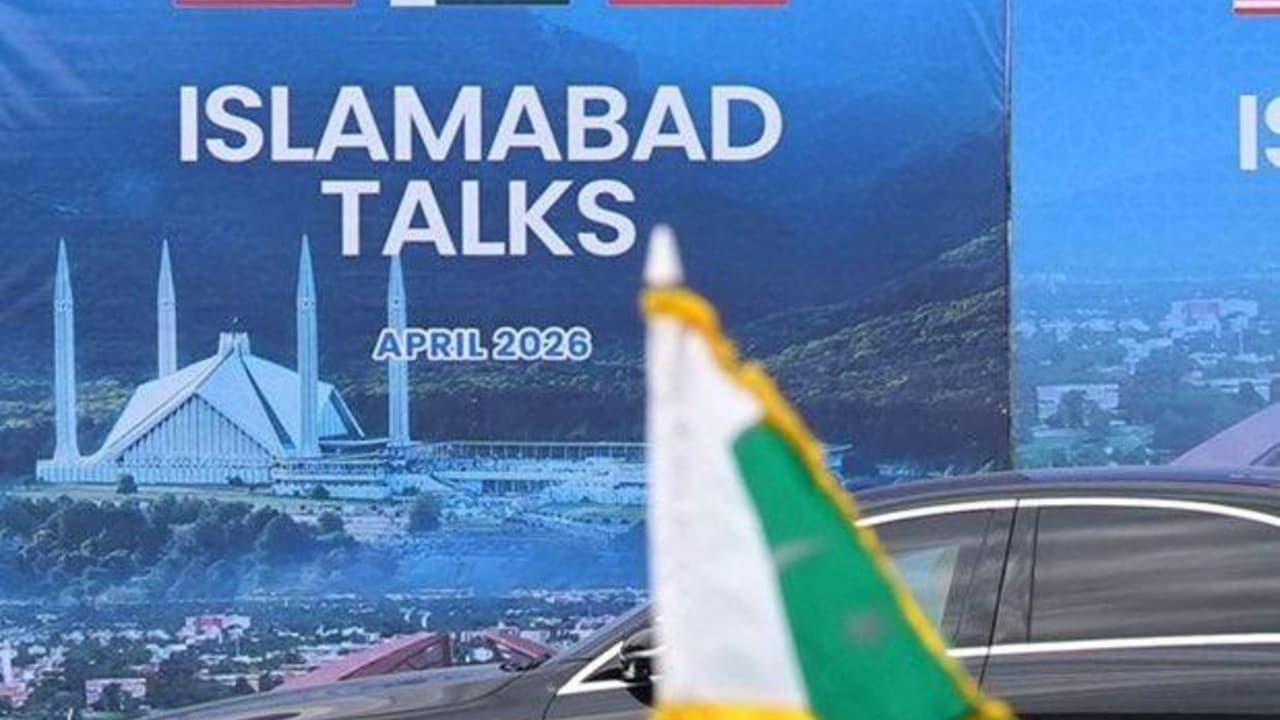
Pakistan’s role as host had looked promising on paper – a neutral broker with fresh diplomatic clout. Yet within two hours of Vance’s announcement, the digital billboards proclaiming “ISLAMABAD TALKS” with fluttering US, Pakistani, and Iranian flags were already being dismantled. Our Pakistan correspondent captured the scene: a palpable sense of disappointment, the city’s brief moment in the diplomatic spotlight fading as quickly as the sunrise over the Margalla Hills. Both sides had come claiming victory in the preceding war; neither was prepared to concede defeat at the table. A peace deal was always a long shot.
The critical failure here is not merely technical. It is structural – and damning for both capitals. The Trump administration, fresh from a conflict that killed thousands and sent oil prices soaring, arrived with a maximalist script: nuclear zero-tolerance, free passage through the Strait of Hormuz (which Iran had selectively blocked), no reparations, and no guarantees on halting Israeli operations in Lebanon. Vance insisted the US had been “quite flexible” and “in good faith”. Yet presenting a “final and best offer” after just one marathon session reeks of diplomatic theatre, not serious bargaining. It echoed the 2018 withdrawal from the JCPOA – a move that hardened Iranian resolve rather than bending it.
Tehran, for its part, bears equal blame. Insisting on “legitimate rights” to enrichment while the region smoulders is tone-deaf at best, provocative at worst. Iran’s delegation arrived in mourning for its late supreme leader and civilian victims of US strikes, carrying symbolic bags of student belongings from a bombed school. Yet clinging to ambiguity on its nuclear programme – even as it demands control of the world’s most vital energy chokepoint – only fuels the very suspicions it claims to resent. Both sides spent more time scoring points for domestic audiences than bridging the yawning gaps on reparations, Hormuz fees, and a genuine regional de-escalation.
The human and economic costs of this failure are already mounting. The two-week ceasefire – fragile from the start – now hangs by a thread. US warships are in the Gulf “setting conditions” to clear mines, while Iran denies any such transit. Global shipping insurers are recalculating premiums; Asian economies that rely on Hormuz oil are watching nervously. And the war’s shadow looms largest over Lebanon, where Israeli forces struck yet another “loaded and ready-to-launch rocket launcher” in southern Lebanon even as the Islamabad talks collapsed.
Meanwhile, Israeli and Lebanese delegations are due in Washington next week for their own US-mediated talks. The timing is no coincidence. Hezbollah’s rockets and Israel’s buffer-zone operations threaten to drag the entire ceasefire into the abyss. Iran has long insisted any Hormuz deal must include a Lebanon truce; Washington and Jerusalem insist the issues are separate. The result? Parallel conflicts that bleed into one another, with civilians – Lebanese medics, Iranian students, Israeli border communities – paying the price.
What happens now? Pakistan has offered to keep channels open, but its leverage is limited. Tehran says contacts will continue through “friends in the region”. Vance left the door cracked – “we hope” Iran will reconsider the offer. Yet history suggests otherwise. Without a multilateral framework – bringing in Europe, China, or even Saudi Arabia as genuine stakeholders – bilateral hardball in Islamabad was doomed to fail. Trump’s “core goal” of crippling Iran’s nuclear programme may feel satisfying in Washington, but it risks accelerating the very proliferation it seeks to prevent. Two wars in a year have already emboldened hardliners in Tehran; a third could make a bomb seem like survival insurance.
The dismantling of those Islamabad billboards was more than housekeeping. It was a visual indictment of 21st-century great-power diplomacy: grand gestures, zero compromise, and a region left to smoulder. Unless cooler heads prevail – and quickly – the next headlines will not be about talks, but about the renewed violence they failed to stop. The world cannot afford another “long shot” that misse
